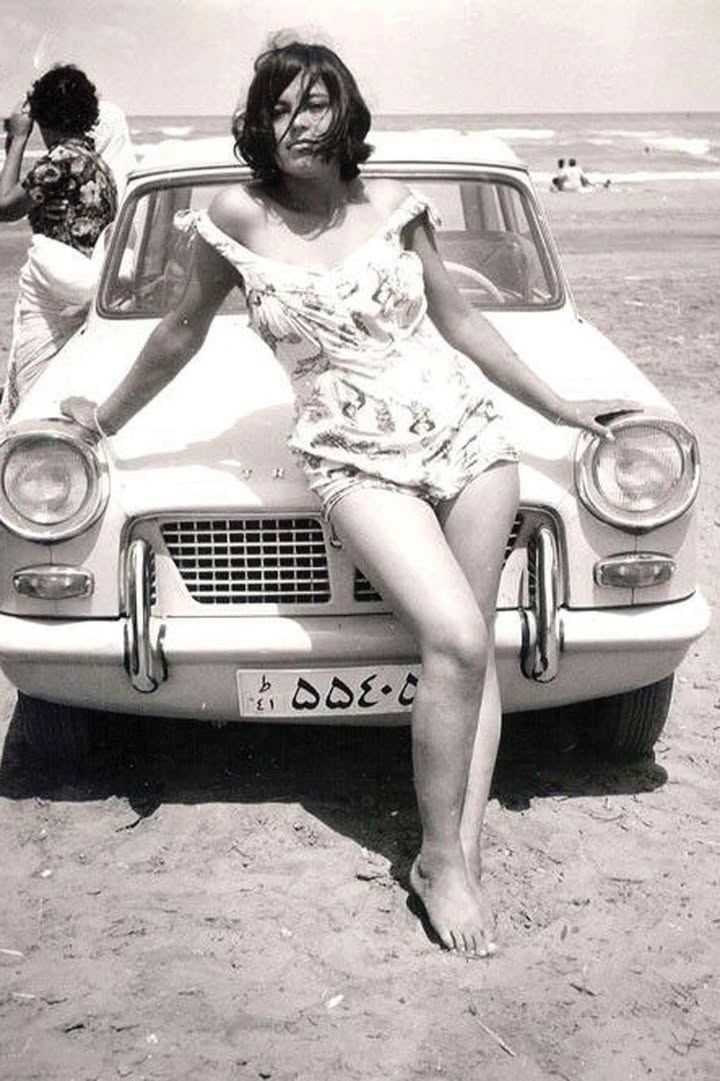
Iran in the 1970s was characterized by rapid modernization, massive economic growth driven by the oil boom, and major social changes under Shah Mohammad Reza Pahlavi.
In large cities such as Tehran, people experienced Westernization, secularism, modern culture, pop music, cinemas, fashion, and far greater freedom - especially for women. Women had the right to vote (since 1963), and many women wore Western-style clothing, including miniskirts.
Women worked as doctors, engineers, and judges, and by 1975 women made up a large percentage of university graduates in fields such as medicine and education.
The oil boom of the 1970s created enormous economic growth and financed major infrastructure projects, industrialization, and the expansion of the educational system. At the same time, Iran became one of the United States’ most important allies in the Middle East.
That does not mean Iran under the Shah was perfect. But it does mean that Iran was something completely different from the Islamic regime that came after the revolution in 1979.
They were two completely different systems.
Iran under the Shah was an authoritarian, modernizing monarchy with a strong Western orientation.
Iran after 1979 became an Islamic theocracy.
After the revolution, the hijab became mandatory. Islamic law became central. Opposition was brutally crushed. Homosexuality became punishable by death. Women lost major freedoms. Religion was woven into the entire state and society.
That is why many Iranians - especially Iranians in the diaspora - still say that life was far freer before the revolution.
Many Iranians wanted reforms. More freedom. Less corruption. But what many of them experience today is that the revolution did not lead to freedom, but to an even more totalitarian Islamic system, supported by large parts of the political left at the time.
That is why today you see so many Iranians carrying the Lion and Sun flag and speaking positively about the time before 1979.
Not because everything was perfect. But because the clerical regime became their worst nightmare.